Lydenburg, now officially named Mashishing, is a historic town in South Africa's Mpumalanga Province, known for its rich Voortrekker history, stunning natural setting at the base of the Long Tom Pass, and status as a fly-fishing hub
The town of Lydenburg, in Mpumalanga Province, was founded in 1850 by the company of Voortrekker leader Andries Potgieter who had abandoned their first settlement -Ohrigstad.It was once the capital of its own independent republic, and still boasts some of the best preserved Zuid Afrikaanse and old Transvaal architecture in the country.
Lydenburg, which means "place of suffering" was founded by these pioneering Voortrekkers fleeing malaria and the debilitating heat of lower lying areas in the early 1800s.
But, although Lydenburg was healthier, marauding Bapedi armies under the leadership of Kgosi Sekhukhune fought a series of bloody pitched battles with the settlers, monuments to which can still be seen in the area.
Lydenburg is an important centre for farming, and is also home to one of Mpumalanga's best museums detailing the mysterious history of the famed Lydenburg Heads, which are unique pottery masks made by a vanished people thousands of years ago, and believed to have served a ritual or religious purpose.
THE LYDENBURG HEADS
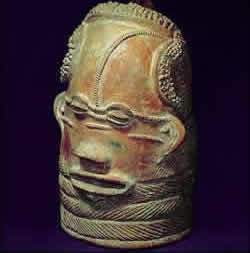
The Lydenburg heads are one of the earliest known forms of African sculpture in Southern Africa and are dated at between AD500 and AD800. There are seven hollow terracotta sculptures which are named after the site at which they were discovered in the late 1950s.Replicas of the seven terracotta 'Lydenburg heads' found in the valley of the Sterkspruit and dating to the 5th century are to be found at the local museum. Six of the heads are human and the seventh is some kind of animal replica.
It is believed that they were used as ceremonial objects during the performance of initiation ritual.
HISTORY OF LYDENBURG
Lydenburg was one of several republics established in the Transvaal because of dissention among the early Voortrekker leaders. In 1856 Lydenburg seceded from the Transvaal Republic and, in the following year, joined the Republic of Utrecht. In 1860 both these republics rejoined the Transvaal Republic. Early Transvaalers attempted to find a route to Delagoa Bay and a port free of British control. Alluvial gold was discovered in the district by several prospectors on 6 February 1873 and the Lydenburg goldfields were proclaimed three months later. Among the first finds were two large nuggets: Emma( 765kg) and Adeliza (737kg), both bought by President TF Burgers. Today the gravels of the Spekboom River are still being washed for alluvial gold.
A British garrison under Lt. WH Long was stationed at Lydenburg during the Transvaal's first war against Britain (1880 - 1881) . They build a small fort named Mary, after the commanding officer's wife. It was from this fort that Lt. Anstruther and the 94th Regiment marched to Pretoria to join the main British forces there, but they never reached their destination. To counter the two small field guns used by the Transvaalers, the British fashioned a gun of their own from a water barrel of a water pump which managed to hurl cannon balls of 1kg at the enemy. After the war the fort fell into a state of dilapidation and in 1889 some of it's stones were used to build a powder magazine which still stands.
Lydenburg ('town of suffering') occupies a special place in the history of the Transvaal. It was founded in 1850 by the company of Voortrekker leader Andries Potgieter who abandoned their first settlement of Andries -Ohrigstad 50km to the north. This had proved a suicidal site owing to the scourge of the Lowveld in those days - the ubiquitous malaria mosquito.
Lydenburg was one of several republics established in the Transvaal because of dissention among the early Voortrekker leaders about the political destiny of their followers north of the Vaal River. In 1856 Lydenburg seceded from the Transvaal Republic with headquarters in Potchefstroom, and, in the following year, joined the Republic of Utrecht. In 1860 both these republics rejoined the Transvaal Republic.
Lydenburg also played an important role in the early attempts by Transvaalers to find a route to Delagoa Bay and a port free of British control. On 6 February 1873 alluvial gold was discovered in the district by several prospectors and the Lydenburg goldfields were proclaimed three months later. Among the first finds were two large nuggets: Emma( 765kg) and Adeliza (737kg), both bought by President TF Burgers. Today the gravels of the Spekboom River are still being washed for alluvial gold.
During the Transvaal's first war against Britian (1880 - 81) a British garrison under Lt. WH Long was stationed at Lydenburg. They build a small fort named Mary in honour of the commanding officer's wife. It was from this fort that Lt. Anstruther and the 94th Regiment marched to Pretoria to join the main British forces there . They never reached their destination. Meanwhile the remainder of the garrison at Lydenburg were besieged in the front in a manner that suggested that neither side really wanted a war. To counter the two small field guns used by the Transvaalers, the British fashioned a gun of their own from a water barrel of a water pump which managed to hurl cannon balls of 1kg at the enemy. After the war the fort fell into a state of dilapidation and in 1889 some of it's stones were used to build a powder magazine which still stands.
Among the exhibits of the local museum are replicas of the seven terracotta 'Lydenburg heads' found in the valley of the Sterkspruit and dating to the 5th century. Six of the heads are human and the seventh is some kind of animal replica.
NO COMMISSION PAYABLE ON BOOKINGS!!
WANT TO ADVERTISE WITH US? Contact judy: judy@haps.co.za